
Our modern river landscape is very different from what nature intended. We have lost water storage in wetlands, created hard surfaces that water rushes off, and changed our river channels so they move water very quickly. Our rivers are less able to cope with the rain we expect in the future, making flooding more likely to impact communities.
River Restoration is an important aspect of Natural Flood Management and can involve a variety of measures such as creating and managing healthy river catchments to store water in the landscape and slow the flow of water downstream.
The reintroduction of meanders to reinstate a more natural river course will reduce flood peaks and control water velocity. Wetland and floodplain creation allow the soil to absorb or store more water upstream, restore biodiversity, provide new habitats to revive declining wildlife species.
Regeneration of surrounding parklands for recreational enjoyment and provide the opportunity for people to reconnect with nature.
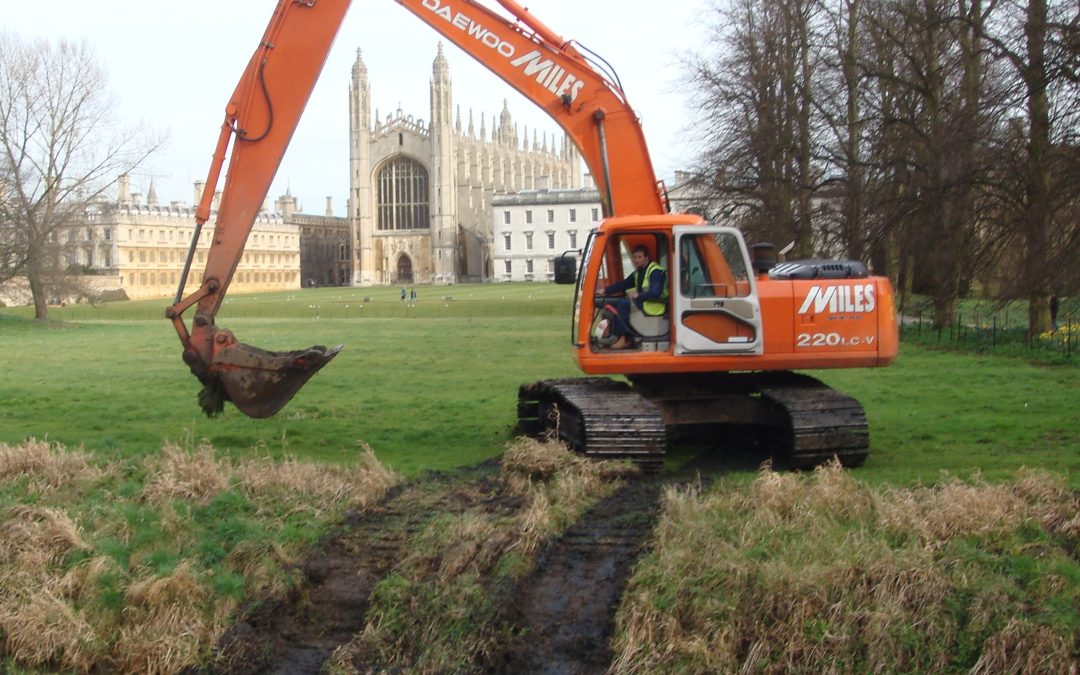
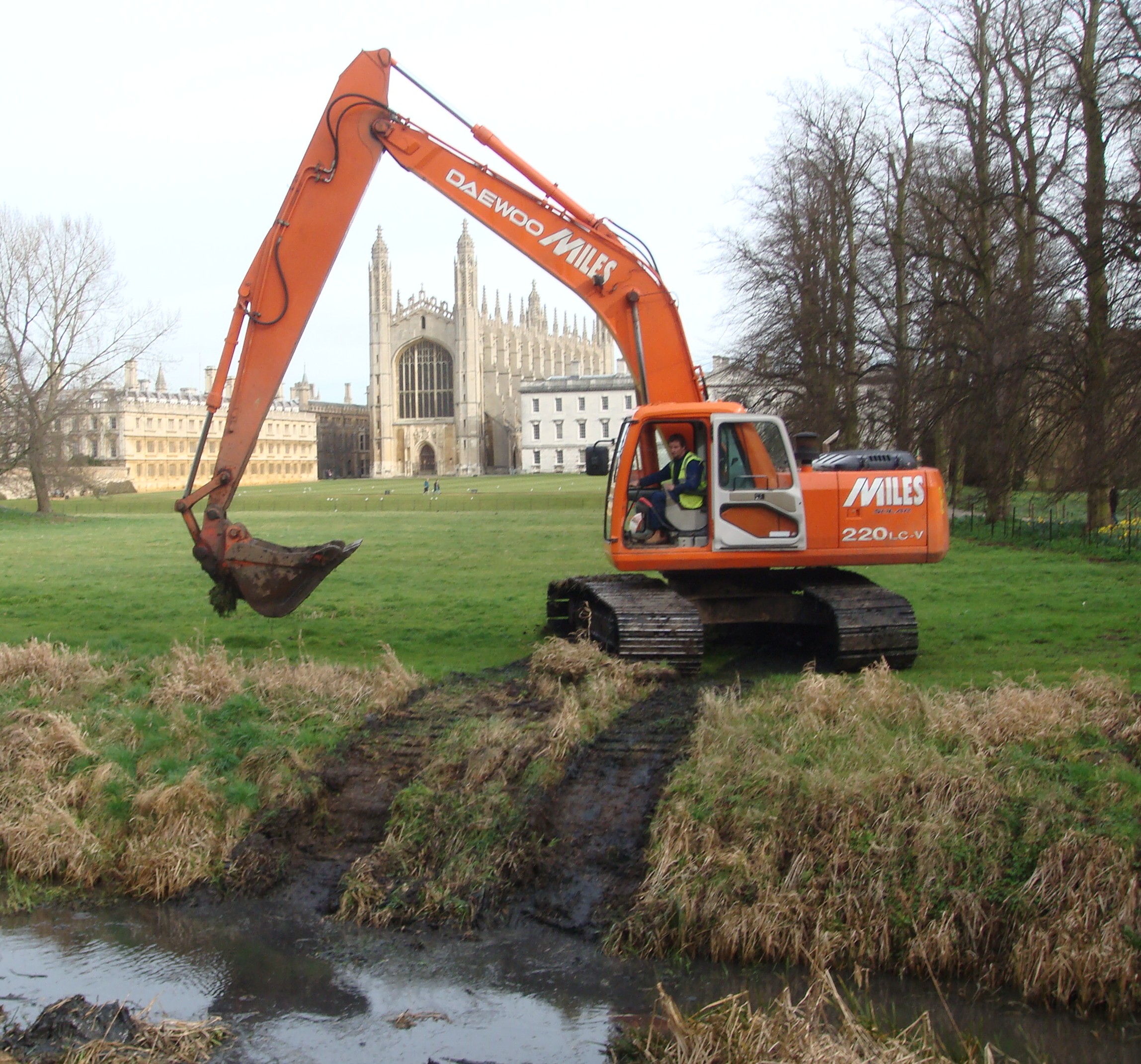
In more urban areas it is often not feasible to regain space for large scale river restoration, but in-stream enhancements such as dredging, piling, reworking gravels and creating berms will improve flow diversity, the ecology and habit quality.
River Restoration and Natural Flood Management not only reduces flood risk it can also achieve multiple benefits for people and wildlife, helping restore natural habitats, improve water quality, biodiversity, farmland value and helping make catchments more resilient to the impacts of climate change.
Miles Water Engineering has extensive experience of implementing Natural Flood Management measures in a wide range of sensitive environments. Our portfolio of past projects includes the Wildlife Trust, RSPB, National Trust, AONB, Estuary Partnerships, River Trusts, and Piscatorial Societies.
#farming #landowners #landmanagement #naturalfloodmanagement #reservoirs